Yarn Definition: Understand the Strand Behind Sweaters and Fabric
A knitted sweater, crocheted blanket, or woven shirt begins with yarn. But what makes a strand “yarn,” rather than loose fiber or sewing thread? Knowing the difference helps you understand how textiles are made and choose materials for your own projects.
The textile yarn definition is a continuous strand of fibers or filaments made for textile use. Fiber is the material; yarn is a strand formed from that material; thread usually refers to a finer strand used for sewing or stitching. The terms can overlap in everyday and industry use.
Yarn can be made from short fibers or continuous filaments, and its construction affects how it looks and feels. Below, you’ll learn how yarn is formed, where it’s used, and what to check on a yarn label.
Yarn definition: A strand made for textiles
The simplest definition of yarn
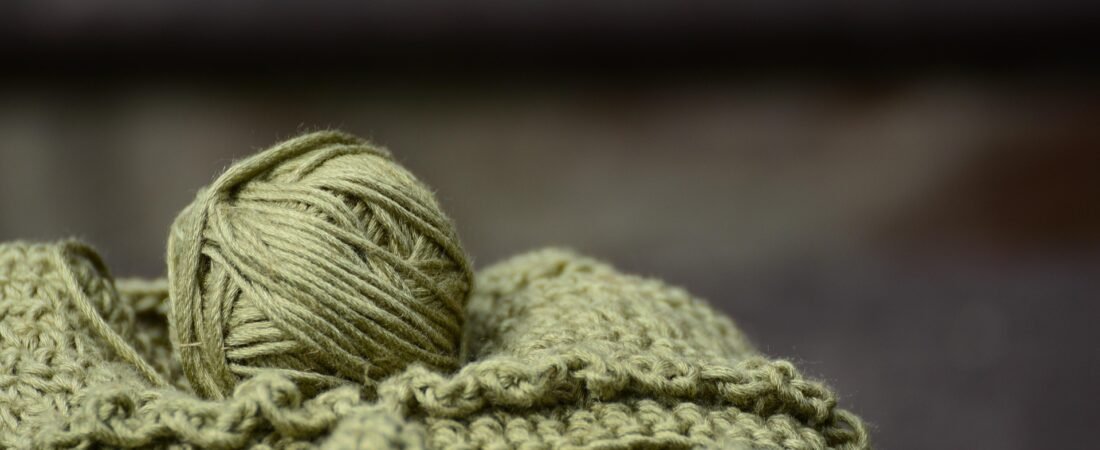
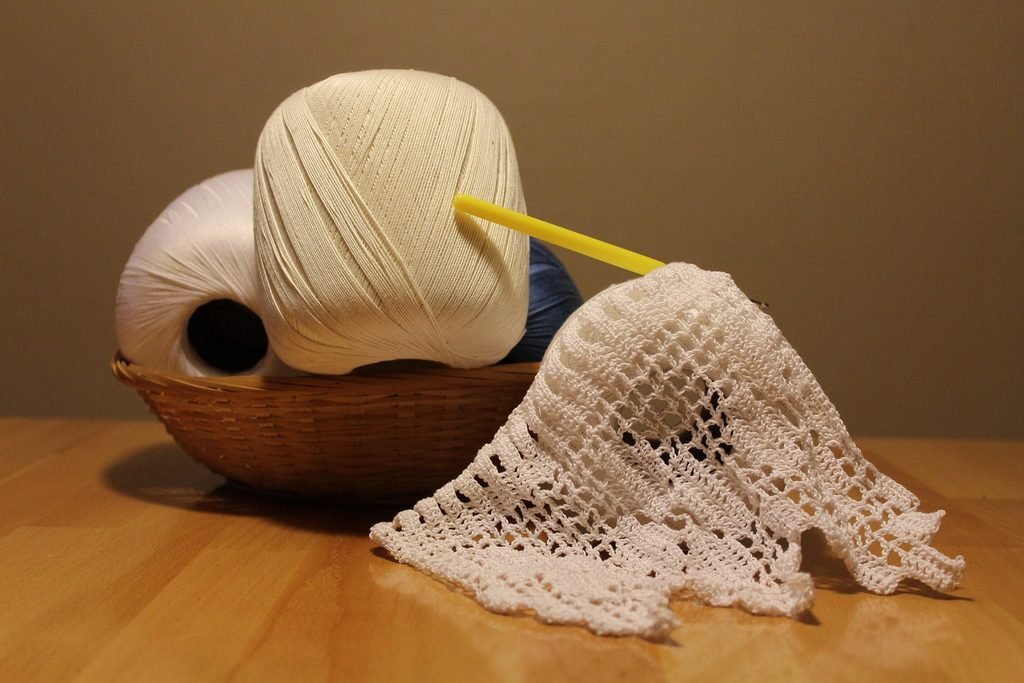
Yarn is a long, narrow strand made to become part of a textile. It can be knitted, crocheted, woven, or used in other fabric-making processes. Some yarn is smooth and even; other yarn has bumps, loops, or a soft, fuzzy surface.
A yarn may contain many short fibers held together, one or more continuous filaments, or several yarn strands joined together. The exact build depends on the material and the way the yarn will be used.
How yarn differs from fiber and thread
Fiber is the raw material, such as cotton, wool, or polyester. Yarn is formed from fibers or filaments and is ready to make fabric. Thread is often a fine, strong strand made for sewing, but there’s no single rule that separates thread from yarn in every setting.
For instance, a sewing machine uses thread to join pieces of cloth. A knitting machine uses yarn to form fabric. In some textile settings, people may call a fine strand yarn or thread depending on its job.
The other meaning of “yarn”
Outside textiles, a yarn is an informal word for a story or tale. It often describes a lively or entertaining account. This article uses yarn in its textile sense.
How fiber and filament shape yarn
Spun yarn brings short fibers together
Cotton and wool often begin as staple fibers: short pieces that need to be gathered into a strand. The fibers are cleaned, aligned, and drawn together. Spinning then adds twist or uses another method to hold them in yarn form.
The Première Vision yarn glossary describes carding as a step that untangles and aligns staple fibers before spinning. Fiber length and processing can affect the resulting yarn’s texture and strength.
Filament yarn uses continuous strands
A filament is a fiber long enough to form a yarn on its own. Silk is a natural filament, while manufactured materials such as polyester can be made as continuous filaments. These strands may be used as they are or treated to add texture or crimp.
Manufactured fibers can also be cut into short lengths and spun with other staple fibers. That makes it possible to blend them with materials such as cotton or wool.
Ply and twist change yarn construction
A single-ply yarn is made from one yarn strand. A plied yarn joins two or more strands, often by twisting them together. The number of plies and amount of twist affect the yarn’s surface, feel, and behavior as you work with it.
A low-twist yarn may feel soft and full, while a tighter twist can make yarn firmer. These are broad patterns, not guarantees: fiber type and the full yarn construction also matter.
Yarn types vary by fiber and construction
Natural and manufactured fibers offer different properties
Cotton, wool, and silk are common natural fibers used in yarn. Acrylic and polyester are manufactured fibers. Each has its own feel and care needs, and the final result also depends on how the yarn is built.
Cotton yarn is often chosen for items that benefit from a smooth feel, while wool is often used for warm garments. Acrylic and polyester yarns come in many styles and care options. Check the label, since yarns made from the same fiber can still differ.
Blends combine different fibers
A blended yarn contains two or more fiber types. Cotton-polyester and wool-acrylic are common examples. Makers use blends to combine qualities such as softness, warmth, strength, or easier care.
A blend won’t always behave the same way across brands or projects. Read its fiber content and care instructions before choosing it, especially when the finished item will need regular washing.
Novelty yarns stand out through texture or appearance
Novelty yarns have a distinct look or feel created by their construction. Bouclé yarn has loops, while chenille has a soft, velvety surface. Other yarns may include slubs, uneven bumps, or decorative strands.
These textures can add visual interest, but they may be harder to handle than smooth yarn. A small test swatch can show how the yarn works with your needles or hook and whether its texture suits the pattern.
Yarn definition in practice: Making fabric and objects
Knitting and crochet shape yarn into fabric
Knitting forms fabric from interlocking loops made with needles or a machine. Crochet uses a hook to pull yarn through loops and build stitches. Both methods turn yarn into items such as sweaters, hats, scarves, and blankets.
The stitches and yarn work together to shape the finished fabric. A thick yarn creates a different look and feel from a fine yarn, even when both are used for the same pattern.
Weaving interlaces yarns into cloth
Weaving crosses two sets of yarns at right angles. Lengthwise strands are called warp; crosswise strands are called weft. CottonWorks’ weaving guide explains how these yarn sets interlace to form woven fabric.
Shirts, towels, and upholstery fabric can all be woven. The yarn’s strength, thickness, and surface help determine whether it suits a particular fabric and weaving process.
Industrial textiles use yarn beyond clothing
Yarn also goes into carpets, ropes, and furnishing or technical textiles. A carpet yarn needs to suit frequent foot traffic, while a rope yarn must fit its intended load and use. Textile makers select fibers and constructions for the job.
This is why yarn doesn’t always mean a soft ball for hand knitting. It can be a carefully made strand for large-scale fabric production or a specific industrial product.
Read a yarn label to choose the right material
Check fiber content and care instructions
The fiber content tells you what the yarn is made from and whether it’s a blend. Care instructions show how the finished item should be washed or dried. These details matter for garments, blankets, and other items that need regular cleaning.
Check the label before you start, and keep it until your project is done. If you’re substituting yarn, compare fiber content and care needs as well as appearance.
Compare yarn weight and recommended gauge
Yarn weight describes thickness categories. Some labels use a number system, but naming can vary by region and brand. The Craft Yarn Council’s weight system offers category guidance and recommends following the gauge stated in the pattern.
Gauge is the number of stitches and rows made over a set area. If the gauge is off, a garment may turn out too large or small. Make a gauge swatch with the yarn and tools you plan to use when the size matters.
Choose yarn based on the finished item
Match the yarn to how you’ll use the finished piece. A sweater may call for a soft, warm yarn; a frequently used blanket may need easy care. A bag or rug may need a sturdy yarn that can handle wear.
Before swapping yarn, compare the pattern’s suggested weight, fiber, and gauge with the new option. Similar thickness helps, but it doesn’t guarantee the same drape or feel.
Conclusion
Yarn is a continuous strand of fibers or filaments used to make textiles. Fiber names the material; yarn describes the strand, which may be spun from short fibers, made from continuous filaments, or built from plied strands.
Fiber content, construction, weight, and care instructions all shape a yarn’s use. Check those details before starting a project, then make a gauge swatch when size or fit matters. With a clear yarn definition in mind, you can read labels more easily and choose a material that suits your finished item.