
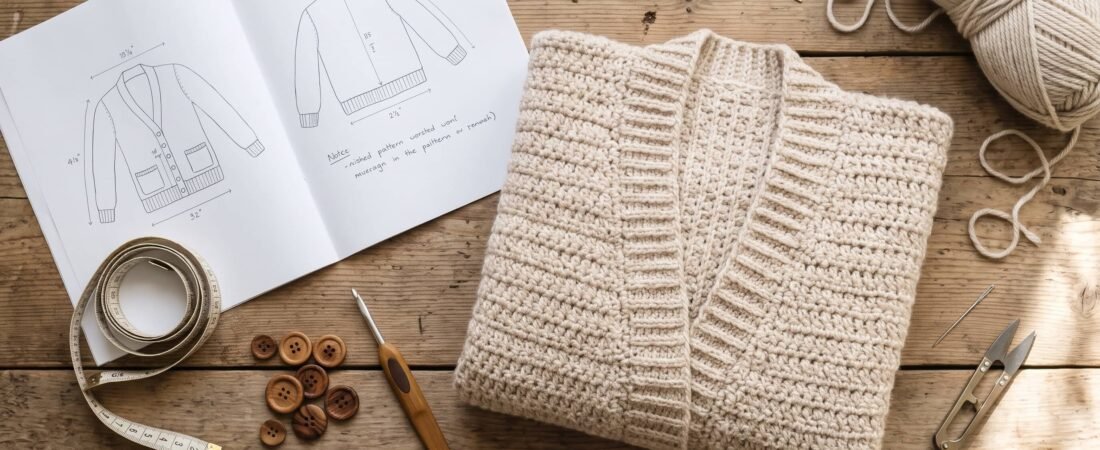
A cardigan can turn a plain outfit into your favorite everyday look, especially when you make it in a color and shape you love. Cardigans crochet patterns range from loose, quick layers to fitted designs with shaped sleeves, textured panels, and button bands.
The right pattern makes the project more enjoyable and the finished cardigan more likely to fit. Whether you’re browsing crochet cardigan patterns for beginners or seeking an easy crochet cardigan pattern with room to customize, check the construction, finished measurements, yarn, and gauge before you start.
Choose Cardigans Crochet Patterns That Match Your Goals
A good pattern should suit your current skills, available time, and plans for wearing the cardigan. Look for a clear skill level, a materials list, size details, and notes on how the pieces come together. Reading the full pattern first can help you spot unfamiliar stitches or steps that need extra time.
Find a beginner-friendly cardigans crochet patterns
Simple shapes and familiar stitches can make a first cardigan easier to manage. A rectangle-based design or drop-shoulder style often uses basic pieces, while limited seaming can reduce assembly work. Photos or video lessons are useful when written steps leave you unsure.
Before choosing, scan for stitch abbreviations, special techniques, and finishing instructions. A pattern may be labeled beginner-friendly but still ask you to sew sleeves or shape a neckline. Pick one that matches the skills you already have, with perhaps one new technique to learn.
Match construction to your comfort level
Panel-based cardigans are made from separate pieces, such as a back, two fronts, and sleeves. You can shape each piece, then seam them together. This method gives clear parts to measure and adjust, but it calls for careful assembly.
Top-down designs start at the neckline and work toward the hem, often with sleeves added later. They can be easier to try on as you go. Bottom-up patterns build from the hem upward, while seamless designs reduce sewing. Each approach has trade-offs, so choose the construction you’ll enjoy finishing.
Check finished measurements before you begin
Body measurements describe the wearer. Finished-garment measurements describe the cardigan itself, including the room added for ease. Compare the pattern’s finished chest or bust, body length, and sleeve length with a cardigan that fits well.
The Craft Yarn Council’s body sizing guide explains how ease affects fit, from close-fitting to oversized. Use the pattern’s stated ease and schematic, if available, rather than choosing by size label alone.
Explore cardigans crochet patterns Styles for Different Looks and Seasons
Cardigan shape affects how a piece hangs, layers, and moves. A relaxed design can feel cozy over a T-shirt, while a short, fitted style may work well over a dress. Think about your wardrobe and local weather before settling on a crochet cardigan pattern.
Try a relaxed oversized or drop-shoulder cardigan
Oversized styles leave extra room through the body and sleeves for an easy, casual fit. Drop shoulders sit lower on the arm than a fitted shoulder seam, which gives the cardigan a relaxed outline. Wide sleeves add to that roomy look, though too much width can make layering awkward.
Check the finished width and sleeve measurements before choosing a size. Two patterns marked “oversized” can fit very differently. The measurements tell you how much fabric you’ll get and whether the cardigan will sit as you want.
Choose a cropped, fitted, or waist-length design
A cropped cardigan pairs well with high-waisted trousers or dresses. A waist-length version offers a classic layer, while a longer body can cover the hips and feel warmer. Shortening or lengthening a garment may affect where its pockets, shaping, or button band sit.
Ribbed hems and cuffs can help define the shape. Waist shaping can make a closer fit, and button placement affects how the fronts meet across the body. Check these details in the pattern before making changes.
Pick stitches and yarn weight for the weather
Open stitches, such as mesh or lace, allow more air through the fabric. They can suit mild days or indoor layering. Dense stitches and heavier yarn make a warmer fabric, but may also create a bulky cardigan.
The stitch and yarn work together. A cotton yarn in an open stitch can make a breathable layer, while a wool blend in a close stitch can feel warmer. Make a small swatch to see how the fabric drapes and feels before committing.
Get the Fit Right Before Crocheting the Full cardigans crochet patterns
Wearable projects need careful measuring. A small difference in stitch count can change the width of a front panel, while row gauge affects length. Swatching and measuring early can save you from finishing a cardigan that doesn’t fit as planned.
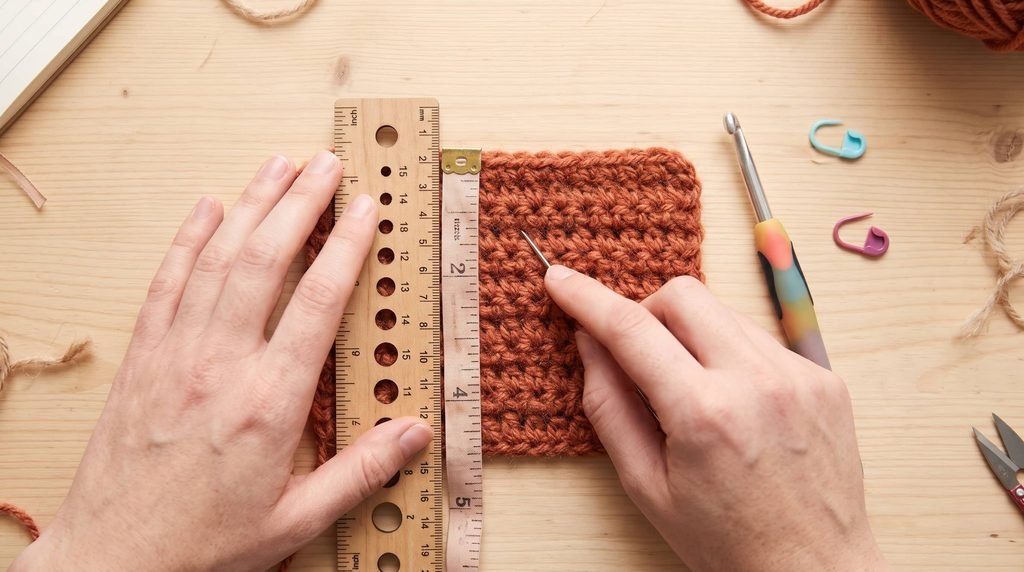
Make a gauge swatch and compare it with the cardigans crochet patterns
Follow the pattern’s swatch instructions, using its main stitch and recommended hook as your starting point. Measure the number of stitches and rows in the stated area. If your swatch has too many stitches, try a larger hook; if it has too few, try a smaller one.
Stitch gauge affects width, and row gauge affects length. Both can change how much yarn you use. If the pattern calls for washing or blocking, treat your swatch the same way before measuring.
Adjust body, sleeve, and hem length with care
Measure yourself or a garment that fits the way you want. Write down your preferred body and sleeve lengths before you start, then compare them with the pattern’s schematic. This gives you a clear goal instead of relying on memory.
The easiest place to adjust length depends on the design. Adding rows to a straight body may be simple, while shaping or a repeated stitch pattern can make changes less direct. Check where the pattern places shaping, cuffs, and pockets before adding or removing rows.
Use the cardigans crochet patterns size chart and trusted references
Start with the designer’s size chart and the actual measurements it lists. If the pattern doesn’t show finished measurements, ask the designer or compare the stated gauge and stitch counts with a trusted garment. Size labels can vary between patterns, so your tape measure is more useful.
The Craft Yarn Council also provides standard sizing guidance for body measurements and ease. Use it as a reference, not a substitute for the pattern’s own measurements. Your preferred fit and the cardigan’s intended shape still matter.
Choose Yarn and Tools for a Comfortable Finish
Yarn changes the cardigans crochet patterns warmth, weight, drape, and care needs. Begin with the pattern’s suggested yarn and gauge, then consider substitutions only after checking the fabric you want. A soft skein on the shelf may not suit a long garment if it stretches more than expected.
Select yarn by fiber, weight, and care needs
Yarn weight helps determine fabric thickness, but fiber also affects how a cardigan hangs and holds its shape. Cotton can feel breathable and may drape with weight. Wool often adds warmth and spring, while acrylic can be easy to wash, depending on the yarn label.
Check the care instructions before buying enough yarn for a garment. A cardigan that needs frequent washing may be more practical in a washable fiber. For substitutions, compare weight, fiber, yardage, and drape, then confirm the choice with a swatch.
Estimate yarn needs and plan substitutions
Use the pattern’s yardage or meterage as your starting point. Skein counts alone can mislead because skeins of similar weight may contain different amounts of yarn. Compare total yardage, not just the number of balls.
A substitute can behave differently even when the label shows the same yarn weight. Lion Brand’s crochet substitution guide recommends checking yarn qualities and confirming the match with a gauge swatch. Buy enough for the full project, with a little extra if your planned changes add length or width.
Gather hooks and finishing supplies
Check the pattern’s materials list before you begin. You may need the specified hook, stitch markers, a measuring tape, and a tapestry needle for weaving in ends or sewing seams. Button designs also call for buttons and may need a small sewing needle and thread.
Keep the pattern nearby while you work. Some designs use a second hook for ribbing or call for markers at shaping points. Having the right tools on hand makes it easier to follow the construction and keep track of changes.
Personalize the cardigans crochet patterns Without Losing Its Shape
Small design choices can make a pattern feel like your own. Before changing the stitch or adding details, consider how each change affects fit, drape, and weight. A swatch lets you test an idea without having to undo a full section later.
Add color, texture, or simple stitch details
Stripes, contrasting cuffs, or a textured panel can add interest without changing the whole design. Try the new color or stitch in a swatch to see how it works with the main fabric. A denser stitch may narrow the fabric or change how it falls.
Choose closures and finishing details for everyday wear
An open front gives a relaxed look and needs no fasteners. Buttons can help keep the fronts in place, while a tie adds a softer finish. Pockets are useful, but their weight can pull on a loose or long cardigan.
Follow the pattern’s guidance for buttonholes and placement. If you add buttons, check that the band can support them and that the fronts line up when closed. Cuffs and edging can also change the fit around wrists and hems.
Block and assemble for a polished result
Use the finishing method that suits the yarn and pattern. Some fibers respond well to gentle washing and drying flat; others need a different approach. Follow the yarn label and designer’s notes, and test your method on the swatch first.
If your cardigan uses panels, line up the edges and check the seams as you sew. Weave in ends securely, then inspect the bands, cuffs, and pockets. A careful finish helps the garment look neat and feel ready to wear.
Turn a Cardigan Crochet Pattern Into a Wearable Favorite
Choose a pattern that fits your skills and the way you dress. Check finished measurements before choosing a size, make a gauge swatch, and select yarn for the fabric and care you want. Adjust lengths and details with the pattern’s construction in mind.
Let the designer’s materials list and instructions guide yarn choices and changes. A few minutes spent measuring and swatching can make a real difference to the finished fit. Pick a cardigan crochet pattern that feels like you, gather your yarn, and start making a layer you’ll reach for often.
Discover all what you need about yarn : Yarn Definition : Easy And Fast About Yarn