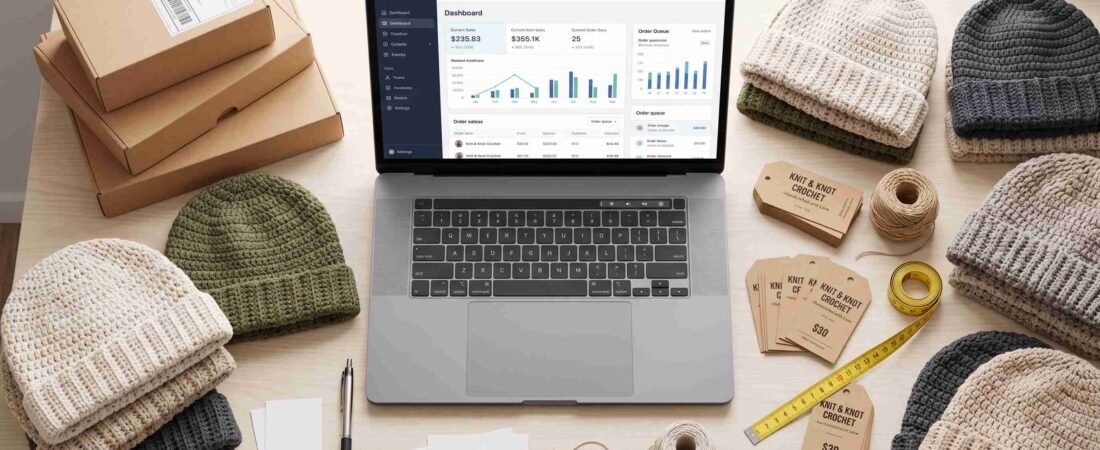
Wondering what are the best platforms to sell handmade crochet items in the US? Compare Etsy, Amazon Handmade, Shopify, and local fairs on fees, reach, and setup.
Determining what are the best platforms to sell handmade crochet items in the us comes down to balancing transaction costs against where active buyers congregate. Selling finished fiber arts requires a channel that matches your production capacity, whether you specialize in high-turnover amigurumi or high-ticket wearables.
Evaluating the top four sales channels—Etsy, Amazon Handmade, Shopify, and local markets—reveals how fee structures, discovery mechanics, and operational overhead impact your net profit margins.
Channel Comparison: Fees, Traffic, and Setup Complexity
what are the best platforms to sell handmade crochet items in the us
| Platform | Primary Fee Structure | Audience Scale & Intent | Technical Barrier | Best Suited For |
| Etsy | $0.20 listing fee, 6.5% transaction fee, 3% + $0.25 payment processing | High; built-in handmade & gifting intent | Low; turnkey storefront builder | Beginners and general handmade items |
| Amazon Handmade | 15% flat referral fee per sale ($39.99 monthly Pro fee waived after approval) | Massive; general prime shoppers seeking fast shipping | Medium; strict artisan application process | High-volume sellers with deep inventory |
| Shopify | Fixed monthly subscription (Basic starting ~$39/mo) + payment processing fees | Zero organic discovery; requires external marketing | High; custom domain and storefront design | Established brands with social followings |
| Craft Fairs / Markets | Flat booth fee ($30–$400+) + mobile card processing (e.g., Square ~2.6% + $0.10) | Local; high-converting, tactile shoppers | Low to Medium; booth display logistics | Bulky items, beanies, plushies, and home decor |
1. Etsy: The Default Handmade Hub
Etsy remains the primary destination for shoppers specifically searching for handmade fiber crafts.
- The Advantage: Instant access to tens of millions of buyers already primed to pay handmade prices without needing to build search traffic from scratch.
- The Drawback: Saturation is significant. Standing out requires disciplined keyword targeting in your titles, tags, and product descriptions, along with tight margin management to absorb listing, transaction, and processing fees.
2. Amazon Handmade: High Volume for Fast Fulfillment
Amazon’s dedicated artisan marketplace offers reach into the largest retail search engine in the United States.
- The Advantage: The standard $39.99 monthly professional selling fee is waived once your artisan application is approved. You gain access to Amazon’s massive consumer base and can leverage Fulfillment by Amazon (FBA) for batch inventory.
- The Drawback: The approval process requires submitting photographic proof of your crafting process to filter out mass manufacturing. A 15% flat referral cut takes a significant bite out of items with lower profit margins.
3. Shopify: Full Brand Autonomy
Shopify is not a marketplace; it is an independent commerce engine where you retain 100% control over customer data, branding, and repeat marketing.
- The Advantage: No transaction fees when using native checkout, no competing shop ads on your product pages, and zero listing fees.
- The Drawback: There is zero built-in discovery. You must supply every visitor yourself via social media, email lists, or paid advertising.
4. Local In-Person Markets and Fairs
Craft fairs, farmers markets, and holiday bazaars eliminate digital advertising hurdles by leveraging immediate physical interaction.
- The Advantage: Fiber crafts are inherently tactile. Customers who touch the drape of a merino shawl or squish an acrylic amigurumi plushie convert at significantly higher rates than online browsers. You avoid shipping logistics, packaging damage, and listing fees.
- The Drawback: Physical markets require upfront booth investments, physical displays, and intensive time commitments on weekends.
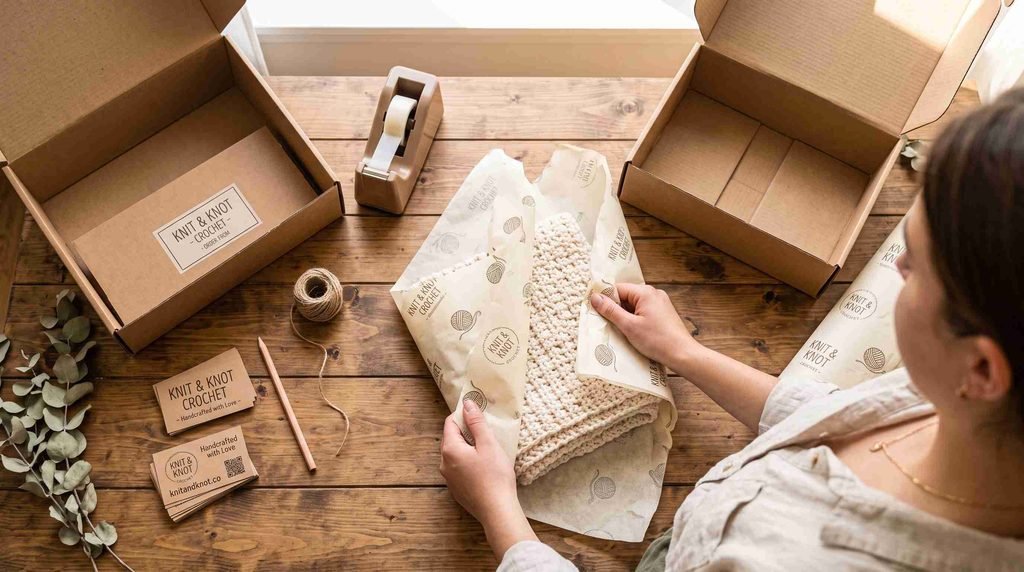
Merchandising Essentials: Photography and Descriptions
what are the best platforms to sell handmade crochet items in the us
No matter which digital platform you choose, handmade items must be presented with commercial clarity to justify their prices:
- Product Photography: Utilize natural daylight and neutral, non-distracting backgrounds. Capture three essential angles: a wide hero shot displaying the full silhouette, a close-up macro shot showing stitch definition and fiber texture, and a scale-reference shot (such as a model wearing the accessory or an everyday object placed beside a plushie).
- Listing Descriptions: Open with clear dimensions, fiber contents (e.g., 100% Peruvian highland wool), and specific care instructions (hand wash cold, dry flat). Preempt common buyer questions directly in your text to reduce pre-sale inquiries and minimize return requests.
Building a Consistent Inventory Portfolio
The primary operational hurdle for new crochet entrepreneurs is maintaining consistent inventory levels. When evaluating what are the best platforms to sell handmade crochet items in the us, your shop requires reliable, fast-working designs that yield predictable margins.
Building strong beginner skills through resources like Lux Crochet’s pattern guides can help new sellers build a portfolio of sellable items to stock their shops. Mastering uniform tension and learning repeatable, high-demand patterns—such as structured ribbed beanies, thermal-stitch dishcloth sets, and miniature motifs—ensures your stock remains uniform, durable, and commercially viable across any sales channel you launch.
Wondering “can I make money selling crochet items in the US?” Explore realistic income expectations, pricing tips, and the best platforms like Etsy and craft fairs: